Originally published on 12/19/25
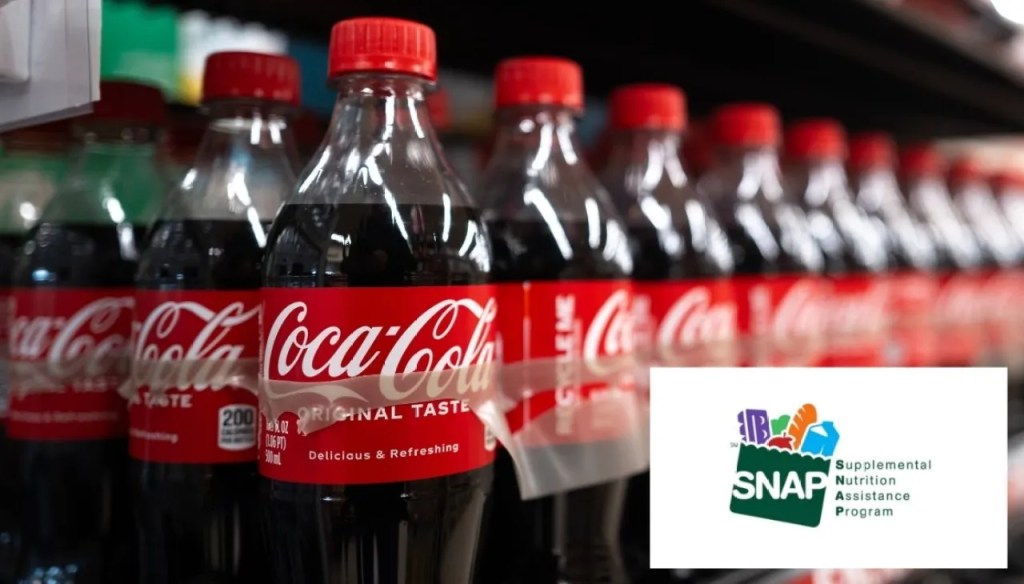
The U.S. Department of Agriculture (USDA) recently announced that they would be removing “unhealthy foods” from Supplemental Nutrition Assistance Program (SNAP) benefits in several states next year. It’s part of the Trump administration’s larger “Make America Healthy Again” (MAHA) initiative, and according to Secretary of Agriculture Brooke Rollins, this change will help restore “SNAP to its true purpose—nutrition.” To learn more about what this shift in benefits means for you, keep scrolling.
A look at the changes coming to SNAP in 2026
On December 10, Secretary Rollins issued a press release detailing how she and the U.S. Secretary of Health and Human Services Robert F. Kennedy Jr. had approved SNAP food-choice waivers submitted by governors in Hawaii, Missouri, North Dakota, South Carolina, Virginia and Tennessee under the MAHA initiative. In doing so, they have limited the amount of unhealthy foods people on SNAP in those states can buy, a change Rollins says will “reverse the chronic diseases epidemic that has taken root in this country for far too long.”
“America’s governors are answering that call with courage and innovation, offering solutions that honor the generosity of the taxpayer while helping families live longer, healthier lives,” the Secretary of Agriculture continued in her written statement. “With these new waivers, we are empowering states to lead, protecting our children from the dangers of highly processed foods, and moving one step closer to the President’s promise to Make America Healthy Again.”
Also supporting the initiative is Centers for Medicare & Medicaid Services (CMS) Administrator Mehmet Oz, MD. “This administration is taking a whole-of-government approach in our battle against obesity and chronic disease. By partnering with states on meaningful initiatives, such as today’s SNAP waivers, we answer President Trump’s call to Make America Healthy Again,” Dr. Oz wrote in a statement. “I applaud Secretary Rollins, Secretary Kennedy and the partnering governors for their bold actions to improve Americans’ health and wellbeing.”

Five days after the initial press release was shared with the public, the USDA released a map showcasing which other states had submitted a SNAP Food Restriction Waiver at some point throughout the year. This included Arkansas, Colorado, Florida, Idaho, Indiana, Iowa, Louisiana, Nebraska, Oklahoma, Texas, Utah and West Virginia.
In that map, the USDA also revealed which unhealthy foods would be restricted for SNAP users in each state, and while most of them do differ, one common item is soda and sweetened beverages.
“The Supplemental Nutrition Assistance Program is designed to support the nutritional needs of those struggling to put food on the table, and this waiver will help to ensure that more Coloradans participating in SNAP have access to healthy foods,” Colorado Governor Jared Polis said in a statement. “Because many local grocers make stocking decisions in part based on SNAP eligibility, I’m confident that this waiver will also help reduce food deserts in Colorado by reducing shelf space for soda and increasing it for other nutritional food products eligible for SNAP.”
Each state’s SNAP restrictions will begin on a different date, and you can view that here.
A look at the foods normally covered by SNAP
On average, SNAP households receive about $332 per month, which works out to roughly $177 per person. Larger households can receive up to $574 or more depending on family size and income. Normally, those funds cover fruits, vegetables, fish, meat, poultry, dairy products, breads, cereals, snack foods, nonalcoholic beverages, seeds and plants. They do not cover alcohol, food and drinks containing controlled substances, vitamins, medicines, supplements, live animals, pet foods, cleaning supplies, paper products, cosmetics and hygiene items.
And even though some of what’s covered under those funds is expected to change in 18 states come 2026, the amount of money one receives isn’t.

“By encouraging families to purchase healthy, nutritious food—and not junk food—we ensure federal taxpayer dollars are used to their maximum benefit and keep South Carolina at the forefront of the effort to Make America Healthy Again,” South Carolina Governor Henry McMaster said in a statement. “Thank you to President Trump and Secretary Rollins for approving our light-touch, common-sense approach to strengthen the SNAP program by promoting healthier outcomes.”
Link to original: https://www.womansworld.com/life/money/snap-restrictions-on-certain-foods-begin-in-2026-in-multiple-states


 Carissa Mosness
Leave a comment