Originally published on 10/30/25
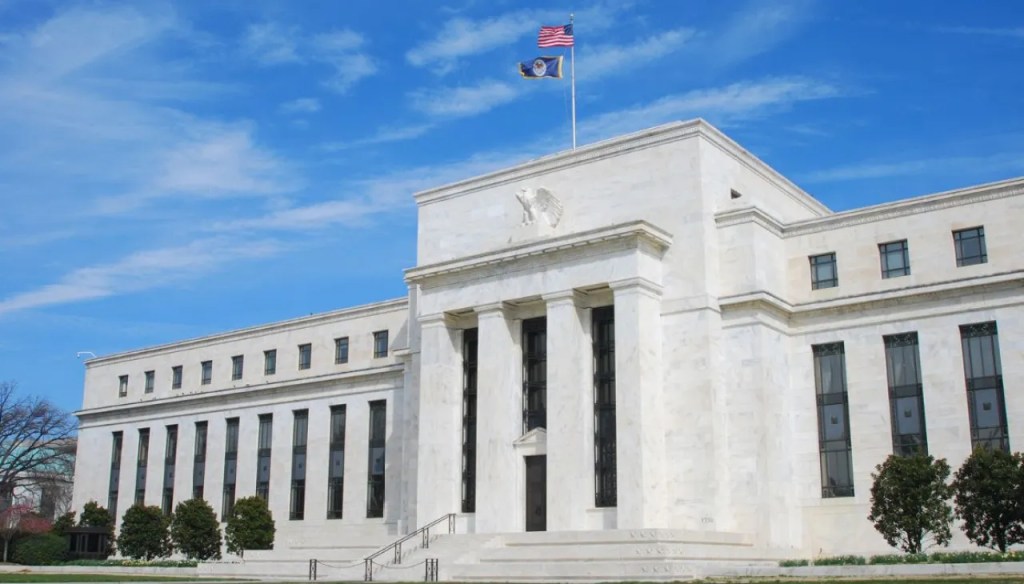
On Wednesday, October 29, the Federal Reserve cut interest rates to the lowest level in three years. The move, announced by Federal Reserve Chair Jerome Powell and heavily pushed by President Donald Trump, comes just one month after the last cut and is expected to help millions of Americans who are struggling with debt. Below, we share everything you need to know about the new interest rates, including how the change will affect your credit cards, car loans, student loans, mortgages and more.
What to know about the new Federal Reserve interest rate cuts
In a historic 10-2 vote, the Federal Open Market Committee voted to lower the benchmark overnight borrowing rate to 3.75 percent to 4 percent, the lowest it’s been since 2022. This is the rate that influences what banks charge each other for short-term loans, something that eventually trickles down and affects things like credit card interest and mortgage payments.
“The recent rate cut will lower borrowing costs, but it will be gradual and the impact will vary,” Devin Carroll, a certified financial planner, told Woman’s World. “For example, we may see credit card rates decreasing soon since many of them are tied to the prime rate, which adjusts quickly after a rate cut. Mortgage and auto loan rates could also come down, but more slowly.”

“Although some important federal government data have been delayed due to the shutdown, the public- and private-sector data that have remained available suggest that the outlook for employment and inflation has not changed much since our meeting in September. Conditions in the labor market appear to be gradually cooling, and inflation remains somewhat elevated,” Powell said in a statement. “We haven’t made a decision about December. I’m saying something in addition here—that it’s not to be seen as a foregone conclusion. In fact, far from it.”
The Federal Reserve is expected to revisit interest rates again in December, and it’s unclear how much the percentage will change. It’s also unclear how some of the missing data, which is a direct result of the federal government shutdown, will affect these future discussions and decisions.
How the Federal Reserve interest rate cuts could impact you directly
Now that the Federal Reserve has agreed to lower interest rates, there are a variety of ways that it could impact Americans.
Credit cards
According to Bhavin Swadas, a real estate and finance expert at Roar The Deal, “Most variable-rate credit cards will get the most immediate impact on a Fed rate cut, and for a good reason. The interest on most credit cards is charged at a variable rate and is directly correlated to the prime rate. This means interest cash charges on revolving credit will decrease and provide some relief to borrowers who carry a balance month to month.”
“Most borrowers will find the relief to be minimal and the impact to be marginal, perhaps a decrease of a few dollars attributable to the annual interest of the account,” he continued. “However, the impact on the borrower’s ability to pay off debt will be significant. The cash interest on the account will decrease, and more of the payment will be applied to the principal.”
Mortgage rates
“When the central bank cuts the rates, borrowing becomes cheaper; although there are exceptions, the cuts do improve lending sentiment,” says Swadas. “In time, we can expect mortgage rates to soften, especially ARM [adjustable-rate mortgage] rates. Fixed mortgage rates, on the other hand, are more influenced by the bond market than by the central bank’s short-term rates. We can already see the sentiment toward lower-risk lending.”
“For potential homebuyers who are looking to refinance, these conditions may present opportunities,” he continued. “Homeowners will now save more on their loans with lower rates, leading to lower monthly mortgage payments. They will also have more purchasing power with lower interest rates. With the current rates more favorable, it is also a good time to refinance.”
Car loans
For people looking to purchase or refinance a car, there is good news on the horizon. According to Swadas, “the central bank’s rate cuts will lower the cost of debt on vehicle purchases. New and used car loans will have lower rates, which will entice more customers to refinance their auto loans.”
“However, consumers have to keep in mind that credit score, loan term and lender type have disproportionate impacts in determining final rates as well,” he warned. “Having a Fed cut means that individuals should look for the best total loan costs as opposed to the monthly payments.”

Student loans
“Private student loans, particularly those with variable rates, ought to benefit from the interest rate reduction,” says Swadas. “These borrowers may have lower monthly payments and less interest accumulating over time.”
“Students and graduates with high-rate private loans may want to contact their lenders about the possibility of refinancing to obtain more favorable terms,” he continued. “This, of course, is far more impactful if you have improved your credit score since you first took the loan, as the rate decrease will make your monthly payments more reasonable and save you a great deal in interest over the whole repayment period.”
Link to original: womansworld.com/life/money/federal-reserve-cuts-interest-rates-impact-on-your-debt-savings-accounts

 Carissa Mosness
Leave a comment